
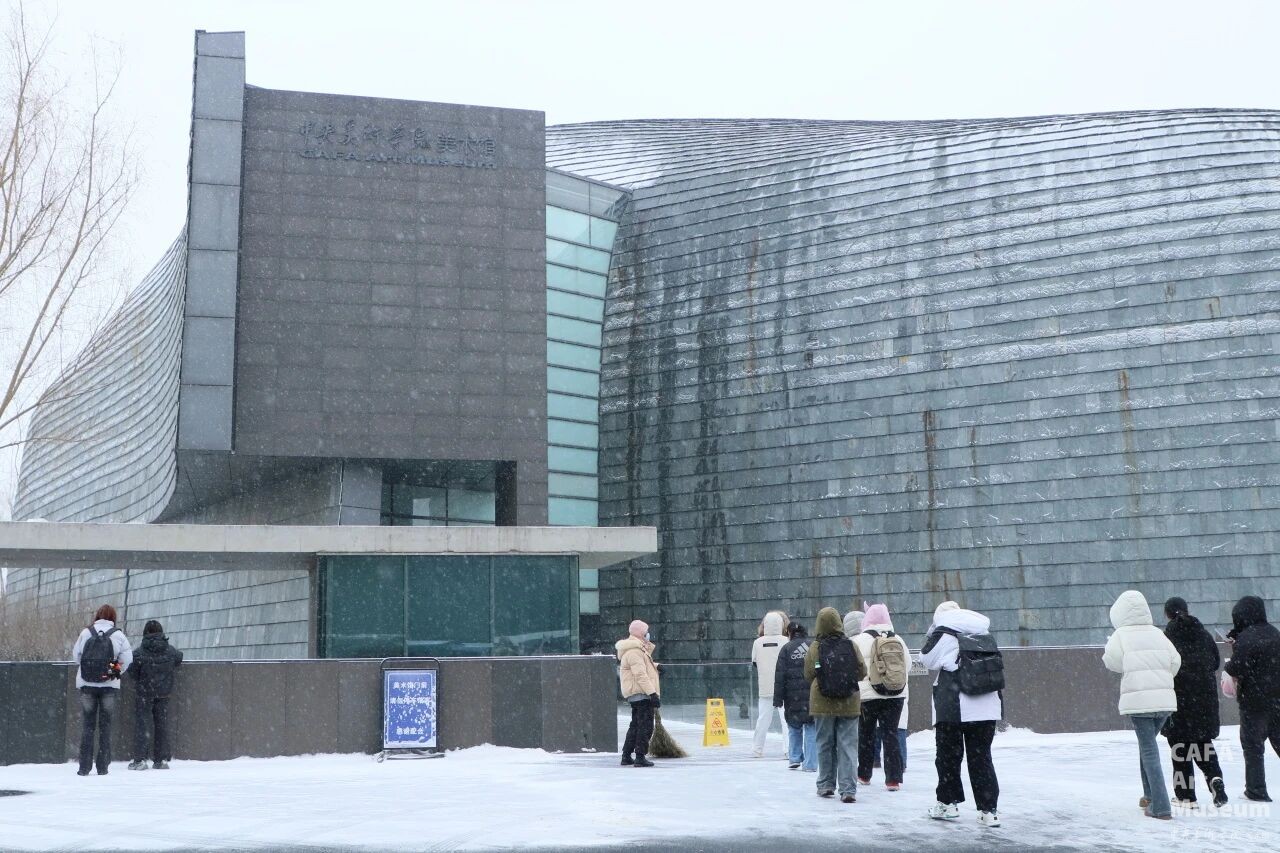
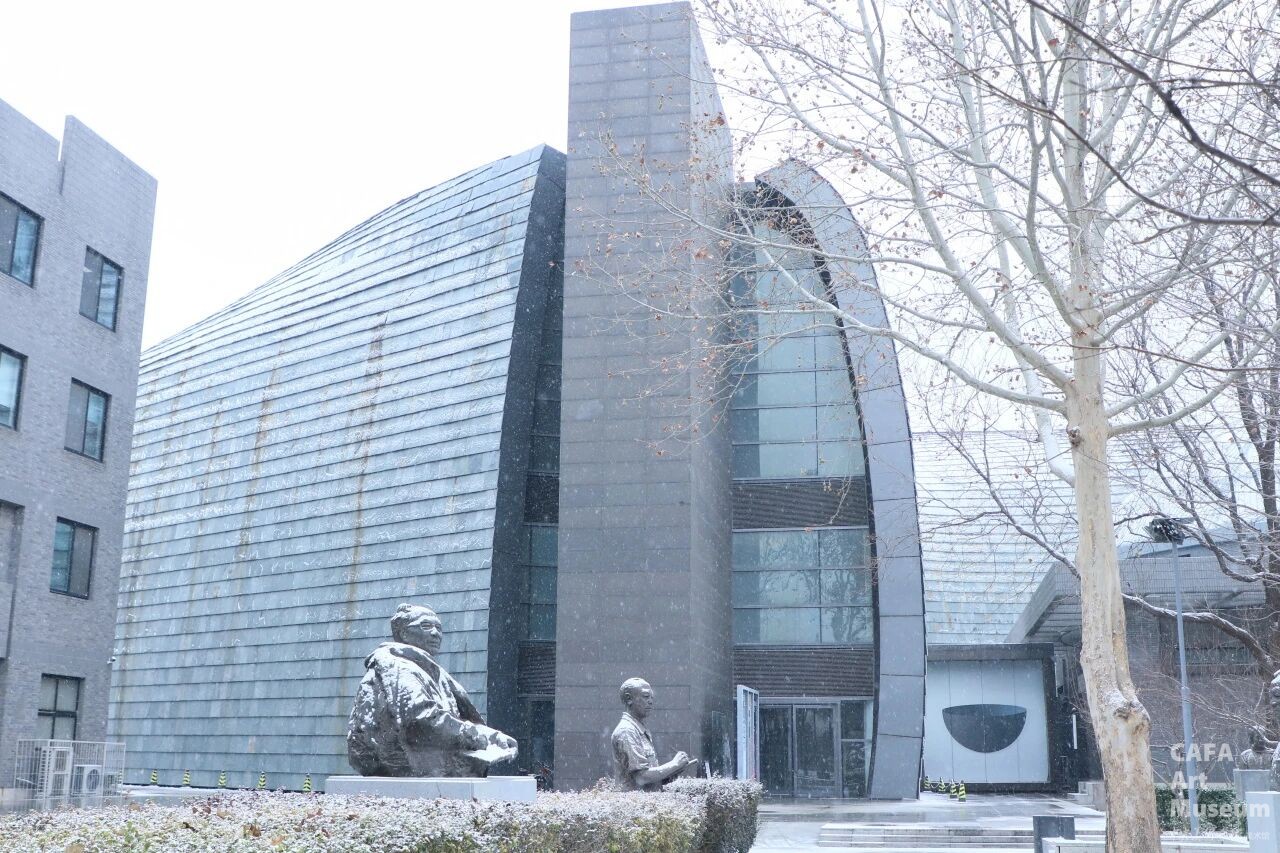
The "snow" here will not melt due to temperature. They are frozen on rice paper, flow among oil paints, and are inscribed in cloth. They carry the spirit of aesthetics and also reflect artists' profound perception of nature, history, and humanity. We invite you to temporarily bid farewell to the cold wind outdoors, step into this art palace, and search for those unique "snow scenes" together.
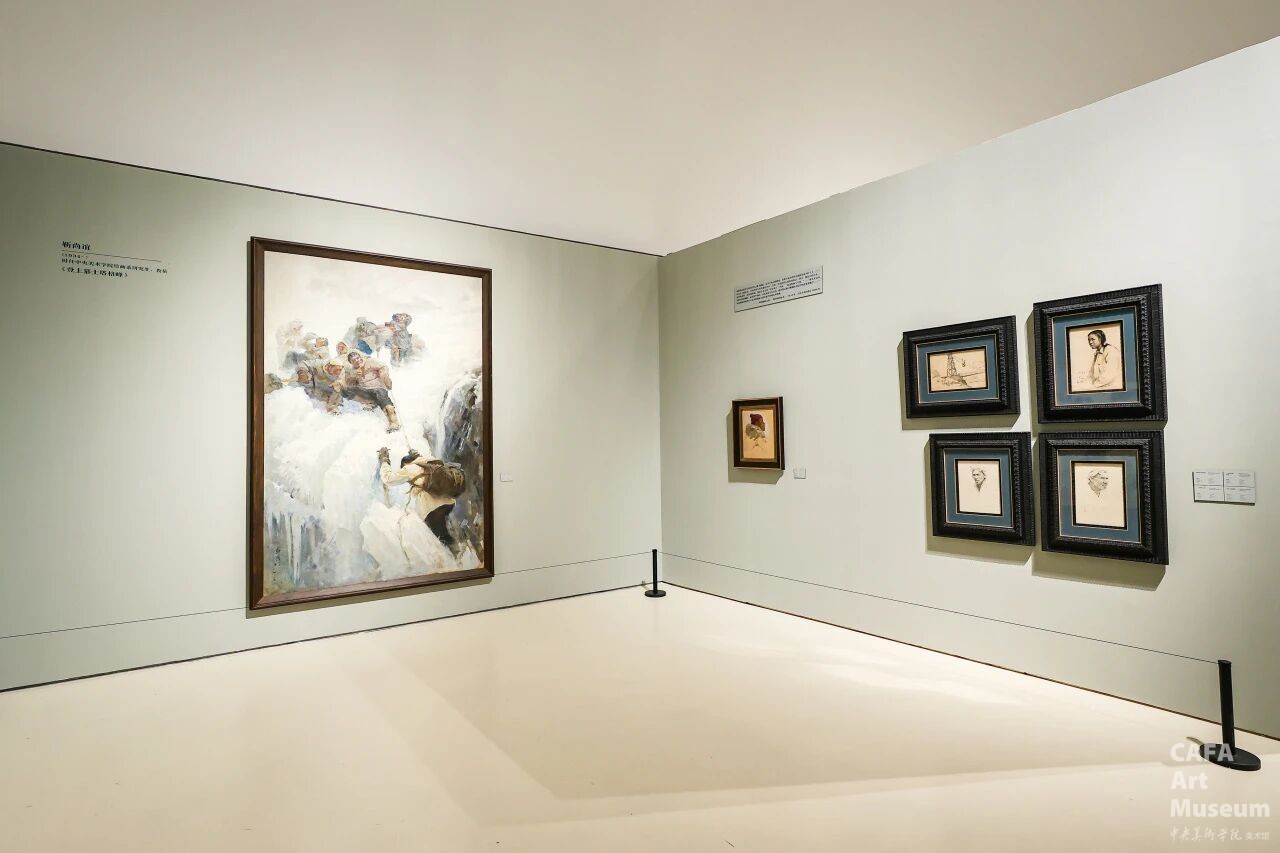
In 1956, the Chinese-Soviet joint mountaineering team successfully summited Mount Muztagh Ata, which stands at an altitude of 7,509 meters, setting a world record at that time. This extraordinary feat greatly boosted the morale of the entire nation. At that time, Professor Jin Shangyi was studying in the "Maximov Training Class" hosted by the Soviet expert Maximov. Deeply moved, he decided to record this historical moment with his paintbrush. Climbing Mount Muztagh Ata is precisely his graduation work, which is not only a response to the historical event but also a concentrated practice and report of the oil painting techniques that Mr. Jin Shangyi had learned. This work is currently on display at the exhibition "Imported Oil Painting – A Retrospective Exhibition Of The Maximov Oil Painting Training Program At CAFA (1955-1957)". Visitors can go to the scene to experience this creation that combines the call of the times with personal artistic exploration.
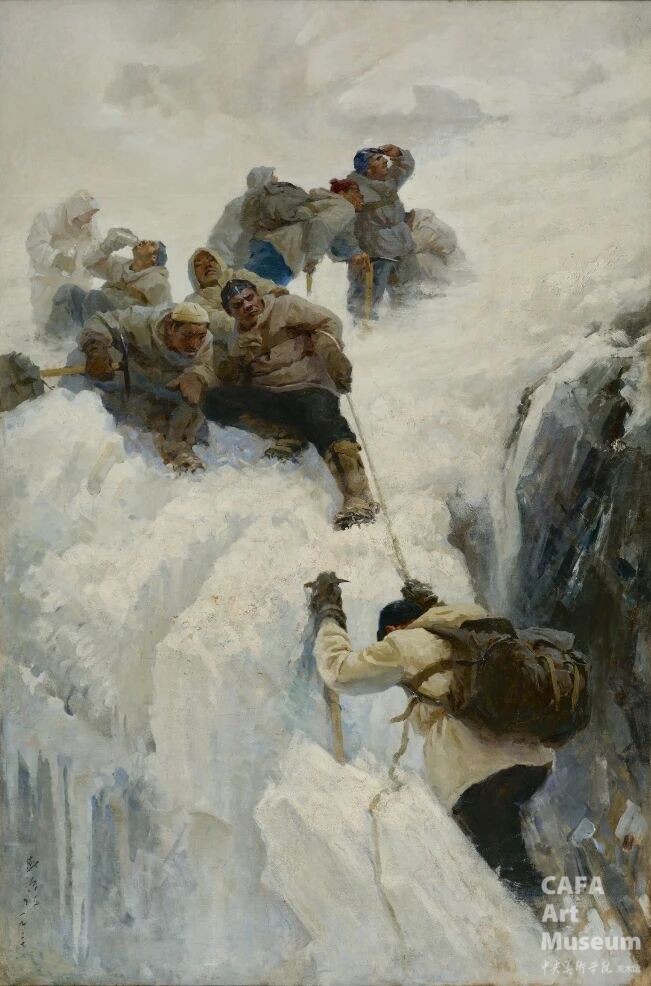
Jin Shangyi, Climbing Muztagh Ata, 180×270cm, oil on canvas, 1957
The work skillfully employs three inverted triangular compositions: the interlaced ice crevasses at the bottom form the foundational triangle, the strenuous upward posture of the mountaineers creates a dynamic second triangle, and the majestic snow-capped peaks in the distance constitute a third triangle that stabilizes the painting. This superimposed and unstable triangular structure greatly enhances the sense of movement, precipitousness, and the rhythm of upward climbing in the painting. The use of an upward-looking angle immerses the viewer in a tense atmosphere as if they were present at the scene.
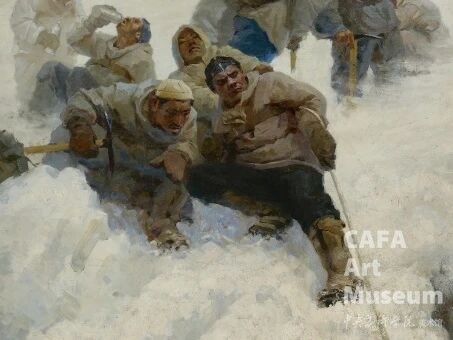
"Climbing Muztagh Ata" (Detail)
Professor Jin Shangyi once mentioned that one of the greatest gains from the Maximov Training Class was understanding how to "think in terms of colors," especially grasping the cold-warm relationships of colors. In this painting, he uses cold-warm contrasts to depict the frigid environment of high altitudes and the tenacious vitality of the climbers. For example, the dark brown of the characters' clothing forms a strong contrast with the cold gray of the snow, which not only conforms to natural logic but also highlights the dominant image of the characters. The meticulous depiction of climbing equipment in the painting, such as backpacks, ice axes, and ropes, strives to restore historical authenticity. These details not only enhance the credibility of the painting but also carry the memories of a specific era.
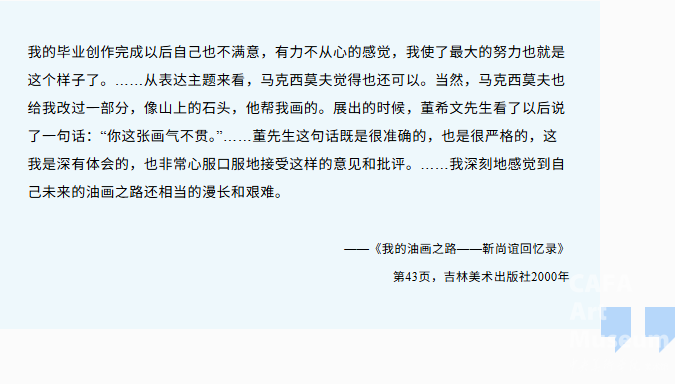
In Professor Jin Shangyi's artistic chronology, "Climbing Muztagh Ata" created in 1957 is undoubtedly a striking milestone and a model work of realistic oil painting in the history of New China's fine arts. However, when we shift our gaze from the figures struggling to climb on the canvas to the 23-year-old young artist behind the canvas, we hear such a clear and humble voice:
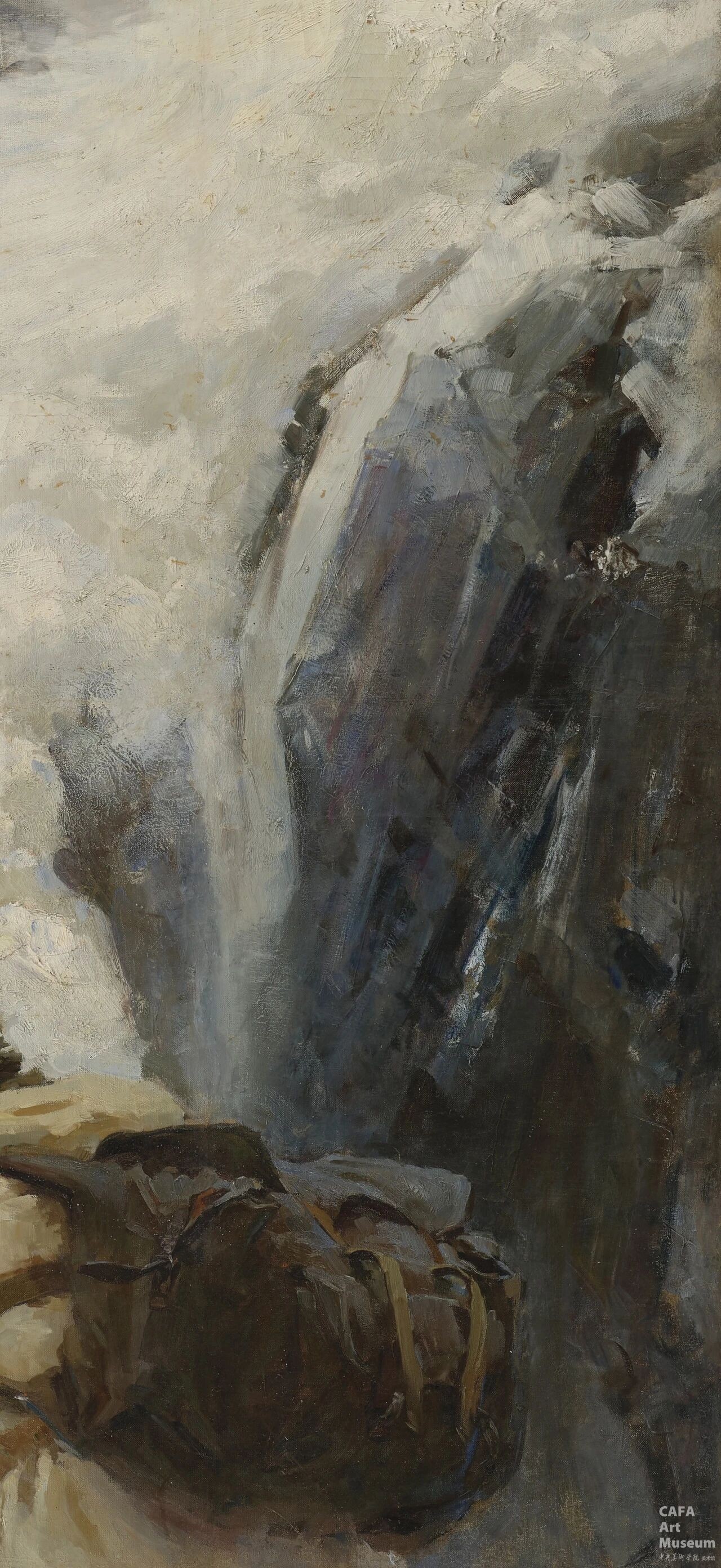
"Climbing Muztagh Ata" (Detail)
This is not an intentional act of modesty, but rather the most authentic inner monologue of a true artistic climber looking back on their journey after scaling the first professional peak. Just like the climber in the painting who feels awe and self-awareness in the face of towering snow-capped mountains, this is by no means a sign of weakness; on the contrary, it marks the spiritual altitude that a great artistic career already possesses at its starting point — never being complacent and always moving forward.
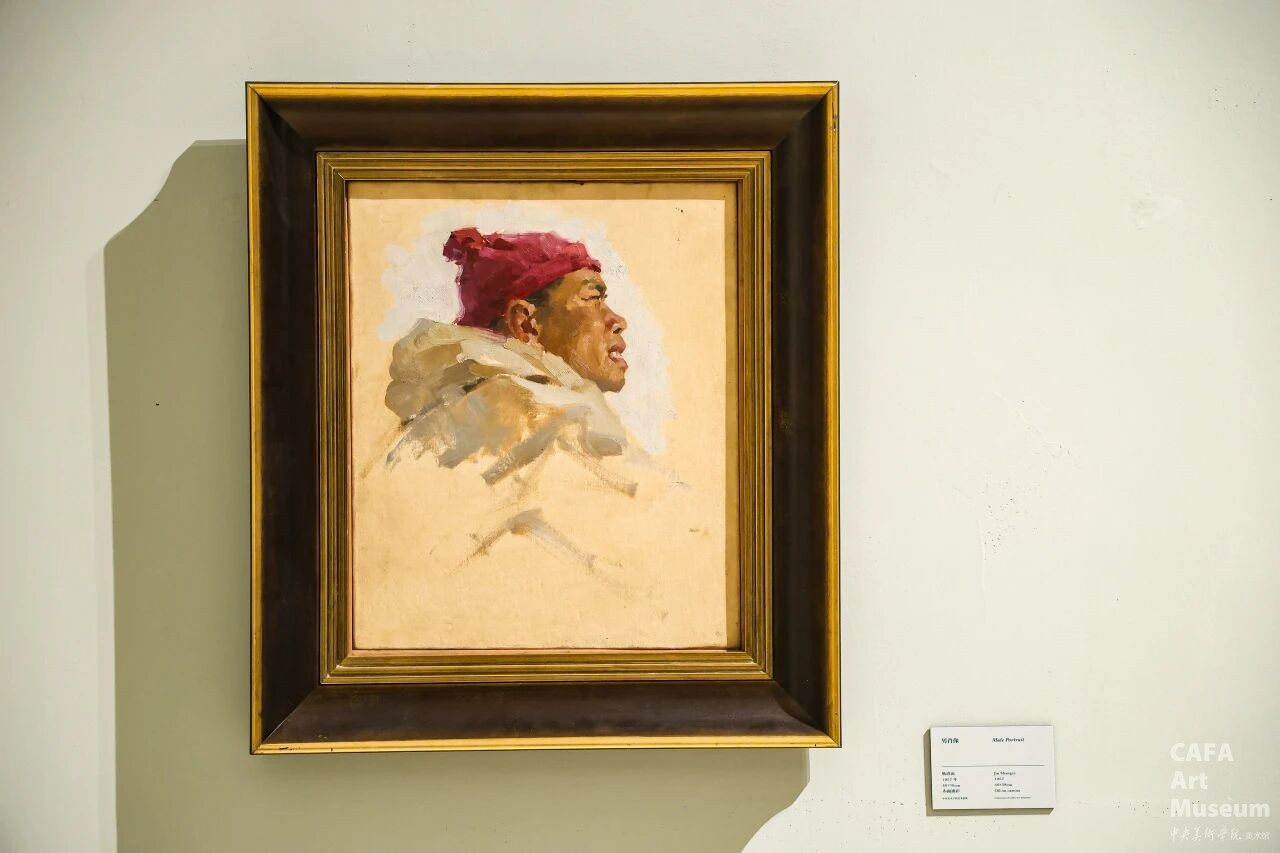
Jin Shangyi, Portrait of a Man, 1957, 46*38cm, oil on canvas, collected by CAFA Art Museum
Perhaps, the greatest journey begins at the moment one acknowledges their "inability to achieve," and endures perpetually because of an unceasing "dissatisfaction." Professor Jin Shangyi has perfectly exemplified this through his artistic career spanning a century. And the starting point of all this can be found in the painting Climbing Muztagh Ata and his gentle words "I'm not satisfied," where we discover the initial spark and the most enduring motivation.

Moving from the "Imported Oil Painting" exhibition hall to the "Collection Exhibition of the Central Academy of Fine Arts Art Museum — Ancient Chinese Art" exhibition hall is like opening a time tunnel. Here, there is a precious collection of Snowy Landscape by Zhang Fu, a painter of the Ming Dynasty. On the horizontal scroll, which is as long as four and a half meters, the painter uses ink and wash as his language to depict the winter snow scene, outlining the desolate and cold realm of overlapping mountains and winding rivers.
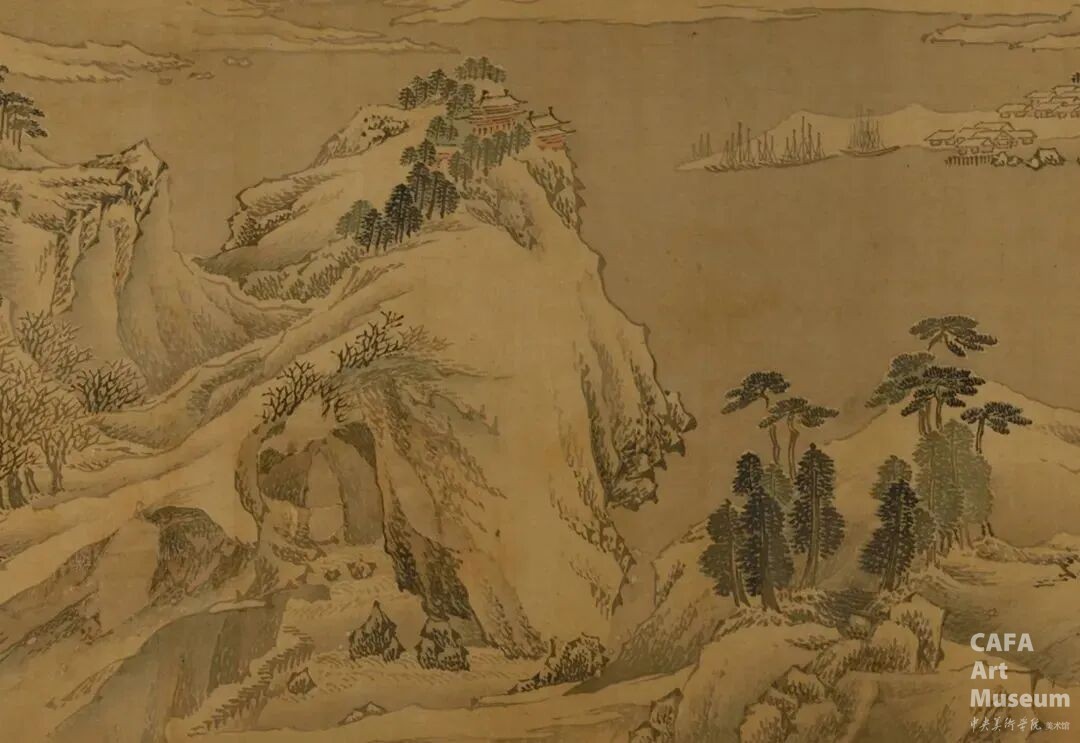
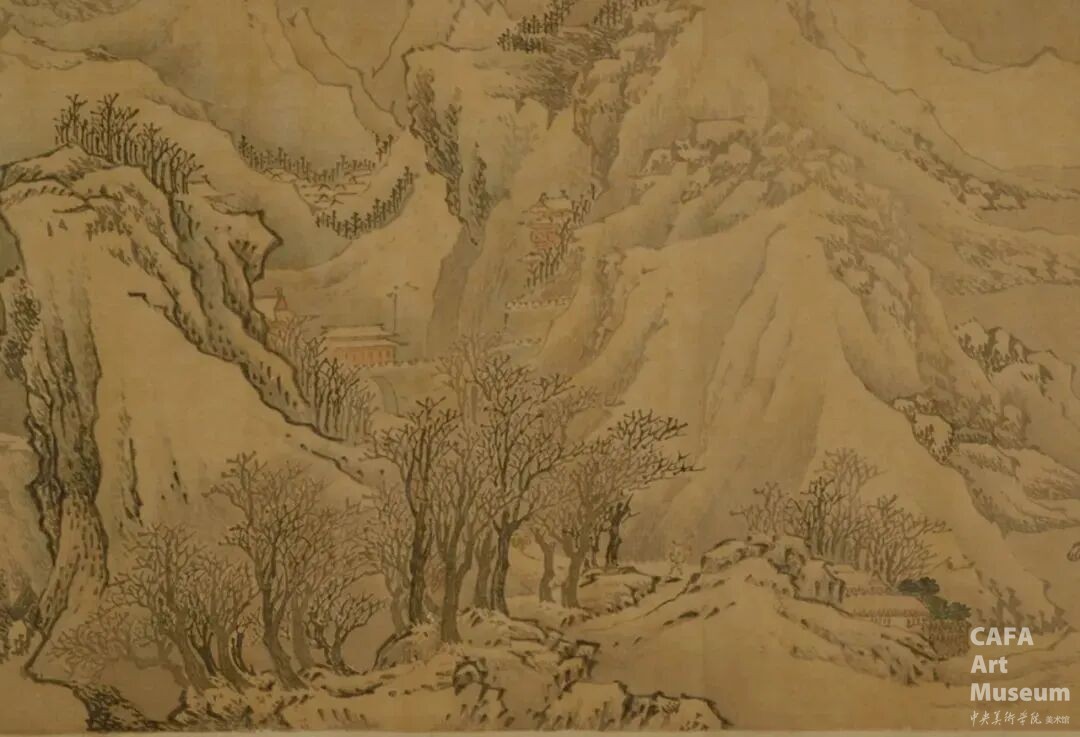
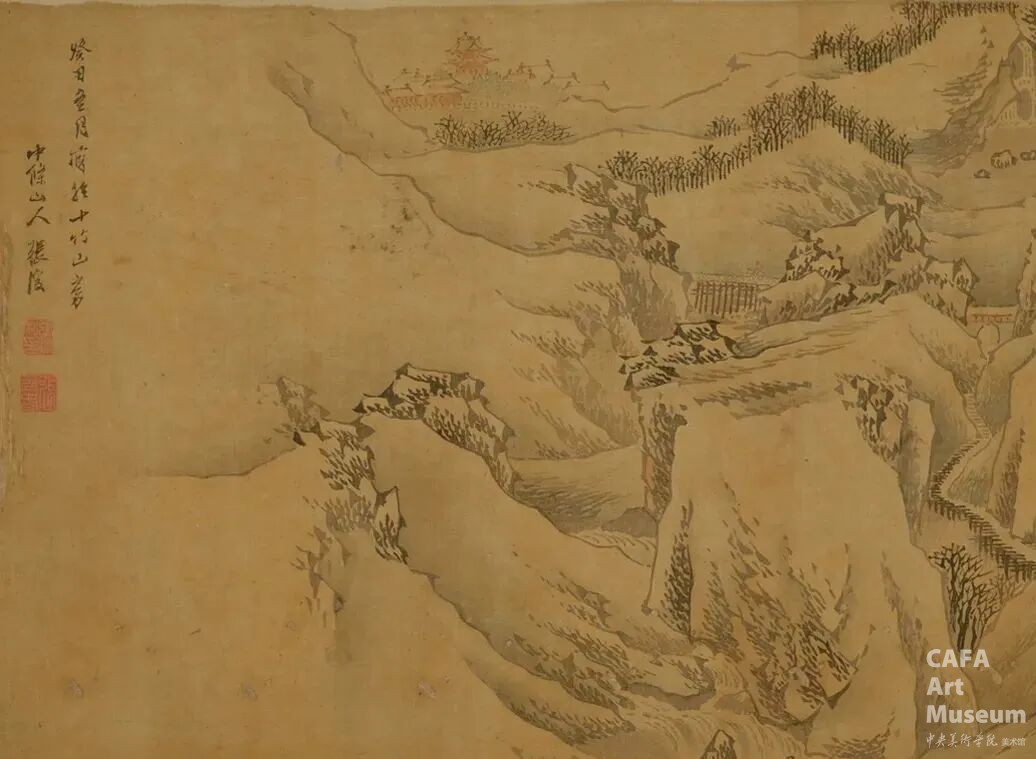
Snowy Landscape (detail)
The blank spaces and ink charm in the painting create an eternal winter scene where viewers can let their minds wander. It tells the philosophy of "winter storage," where all things accumulate strength under the snow, waiting for the sprouting of spring.
※ ※ ※
perhaps, this winter, there's no need to wait anxiously for the weather forecast.
Come to the CAFA Art Museum, where the "snow" never ends.
Chief Editor / He Yisha
Editor / Du Yinzhu

