Forum Summary | Origin And Prism – Realism, Modernism, And Contemporary Painting

1766980515612359.jpg


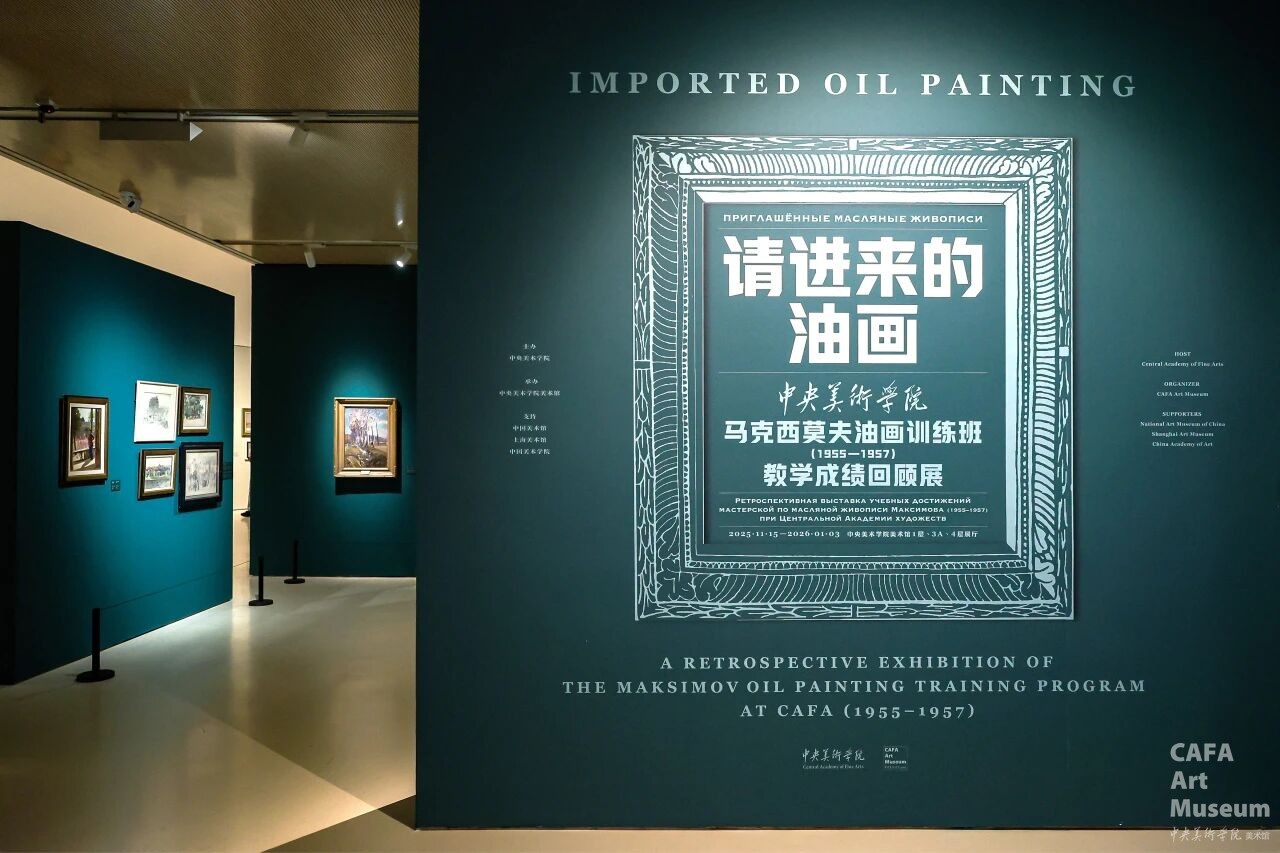
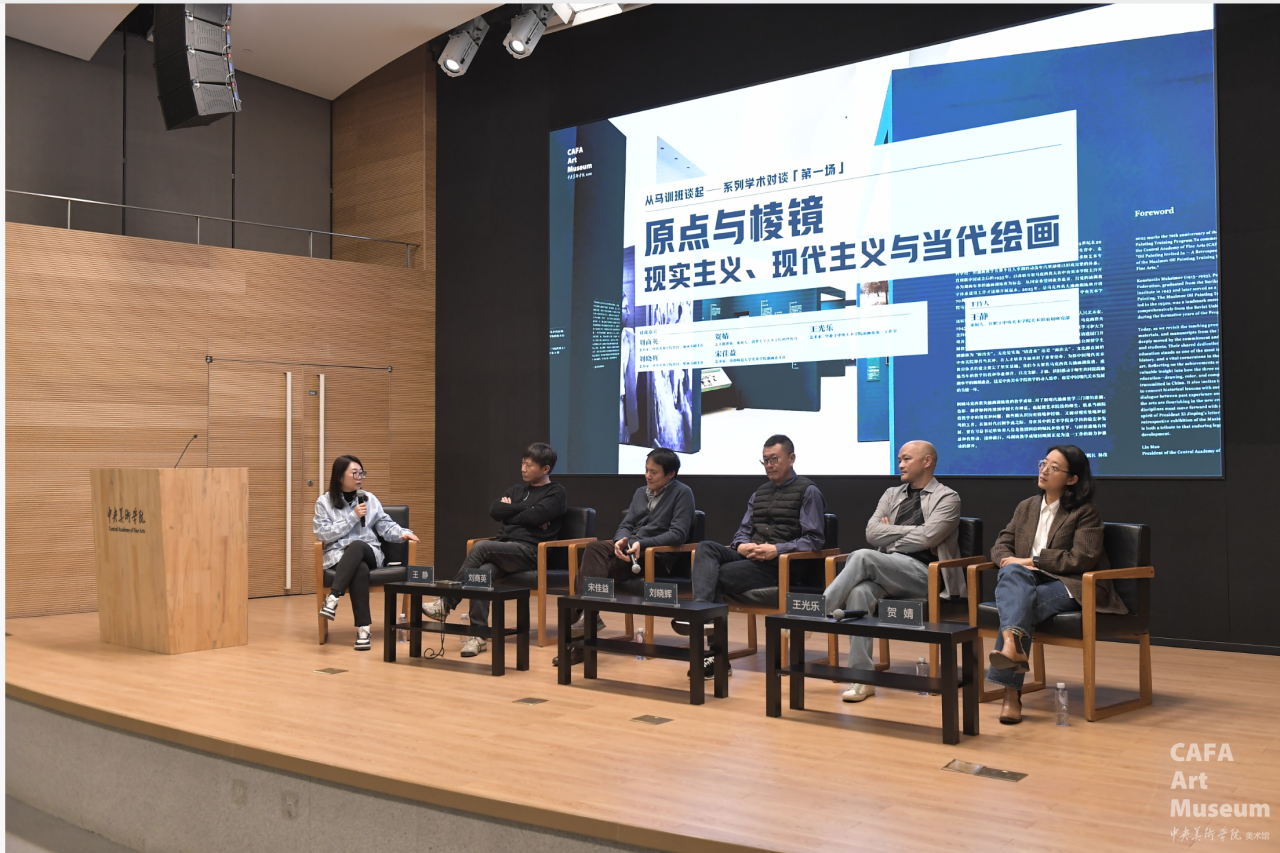
December 11th, the first session of the academic forum series "Imported Oil Paintings – A Retrospective Exhibition Of The Maximov Oil Painting Training Program At CAFA  (1955-1957)", titled "Origin and Prism – Realism, Modernism, and Contemporary Painting", was held at the Auditorium of the CAFA Art Museum.

1766980554455146.png


This academic forum features artists Liu Shangying, Liu Xiaohui, He Jing, Song Jiayi, and Wang Guangle in a dialogue, with Wang Jing, Deputy Director of the Curatorial Research Department of the CAFA Art Museum, serving as the host.
 

1766980634982632.jpg

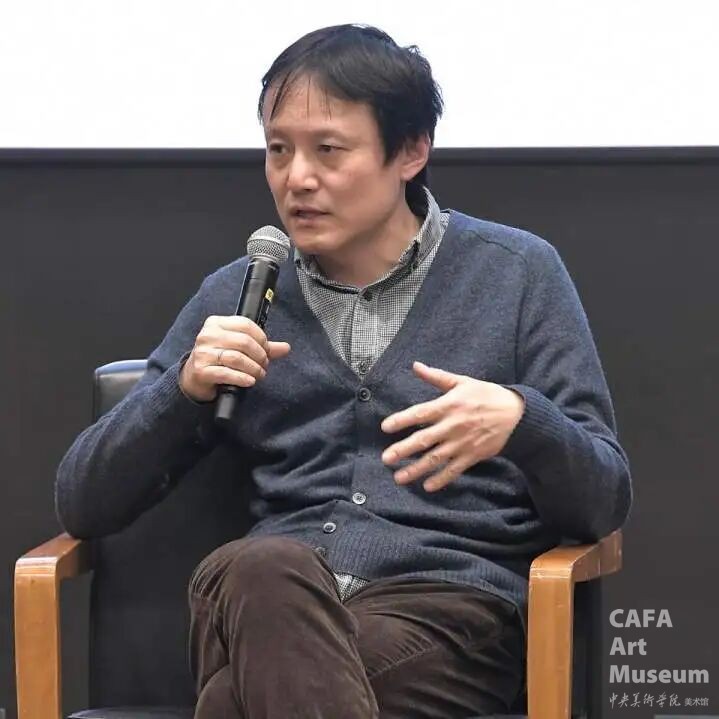
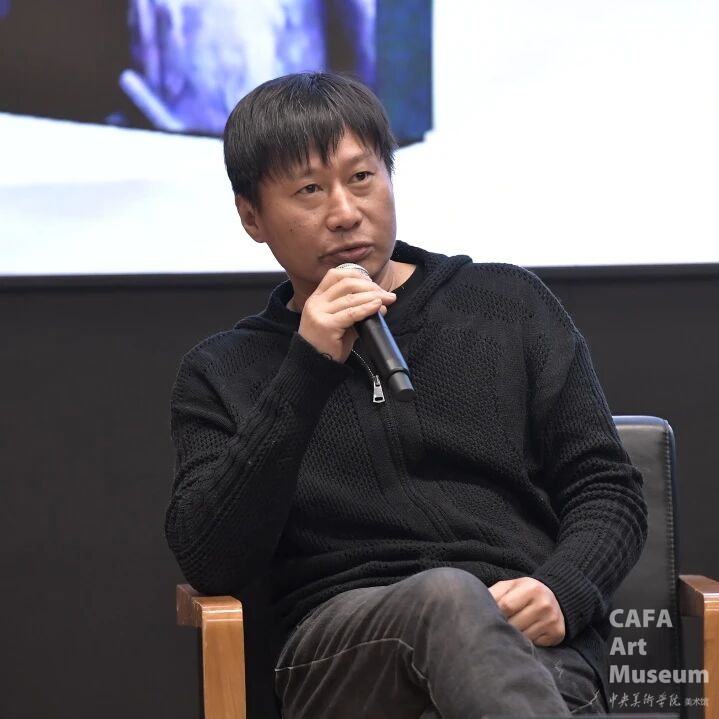
Liu Shangying

Artist, Professor at the Central Academy of Fine Arts, Deputy Director of the Oil Painting Department


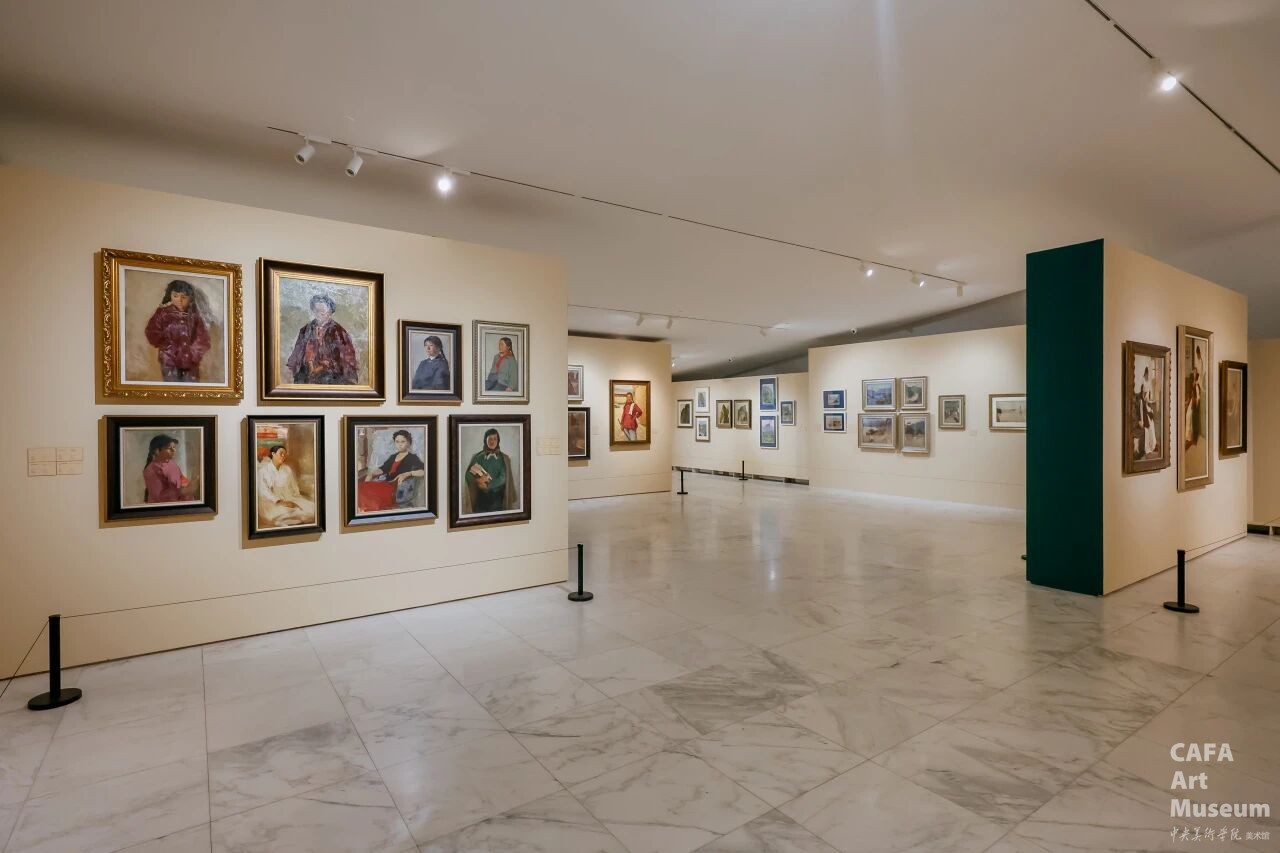
Teacher Liu Shangying shared his understanding and comprehension of the former Soviet Union's oil painting teaching system and painting characteristics based on his own learning experience. The "Soviet school" of oil painting advocates a scientific and rigorous system of light and shadow composition, excels at depicting direct and vivid life experiences, and has strong realistic features. Its paintings are rigorous and orderly, making them very easy for audiences to understand and engage with. Liu Shangying elaborated on the mutually complementary and highly unified relationship between "color" and "form" in the oil painting teaching system of the Maksimov Training Class. This focus on integrity has also been integrated into the long-term teaching system of the Central Academy of Fine Arts, with far-reaching influence. Even today, it still plays an important role in training students' creative cognitive abilities of "observing, understanding, and expressing".
1766980688586006.jpg

1766980714739361.jpg

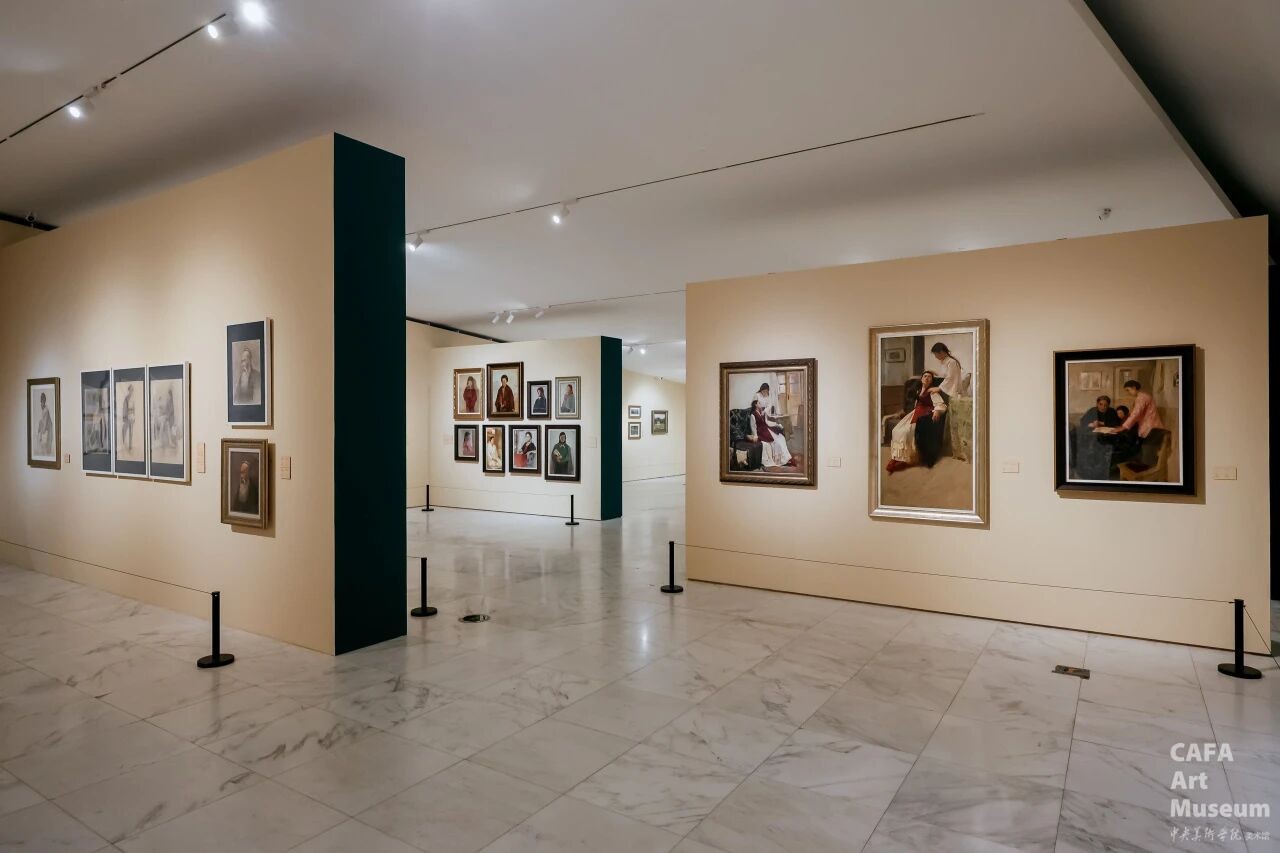
Exhibition site


1766980741876913.jpg

Song Jiayi

Artist, Director of the Oil Painting Department, Academy of Arts, Capital Normal University


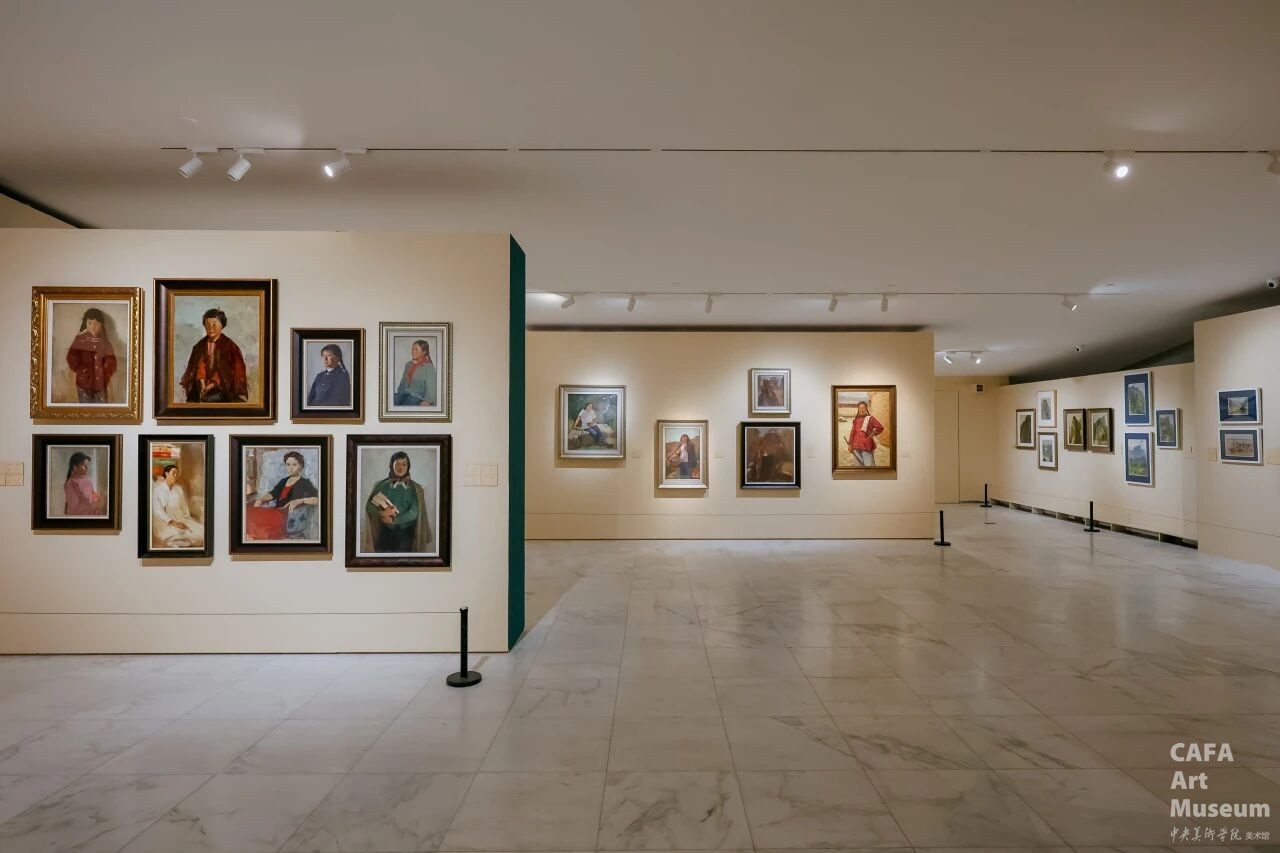
Teacher Song Jiayi talked about the historical origin and practical influence of "Su-style" oil painting in the oil painting teaching system of New China. He believes that Soviet experts represented by Maximov introduced the realistic creative spirit and materialist view of history into China's oil painting creation, laying an important foundation for the construction of a systematic teaching methodology. Faced with the rich oil painting creation systems in the art world in the mid-20th century, the introduction of the positivist philosophical perspective contained in Su-style oil painting is beneficial for Chinese artists to sort out the development context in contemporary, experimental and diversified painting languages, and find a foothold that combines national traditions and the characteristics of the times in the classical and modern world. It can be said that the Su-style oil painting teaching system represented by Maximov has broadened and improved the historical vision of Chinese modern oil painting and helped Chinese artists find their own creative direction.

1766980771882512.jpg

Exhibition site


1766980797515519.jpg

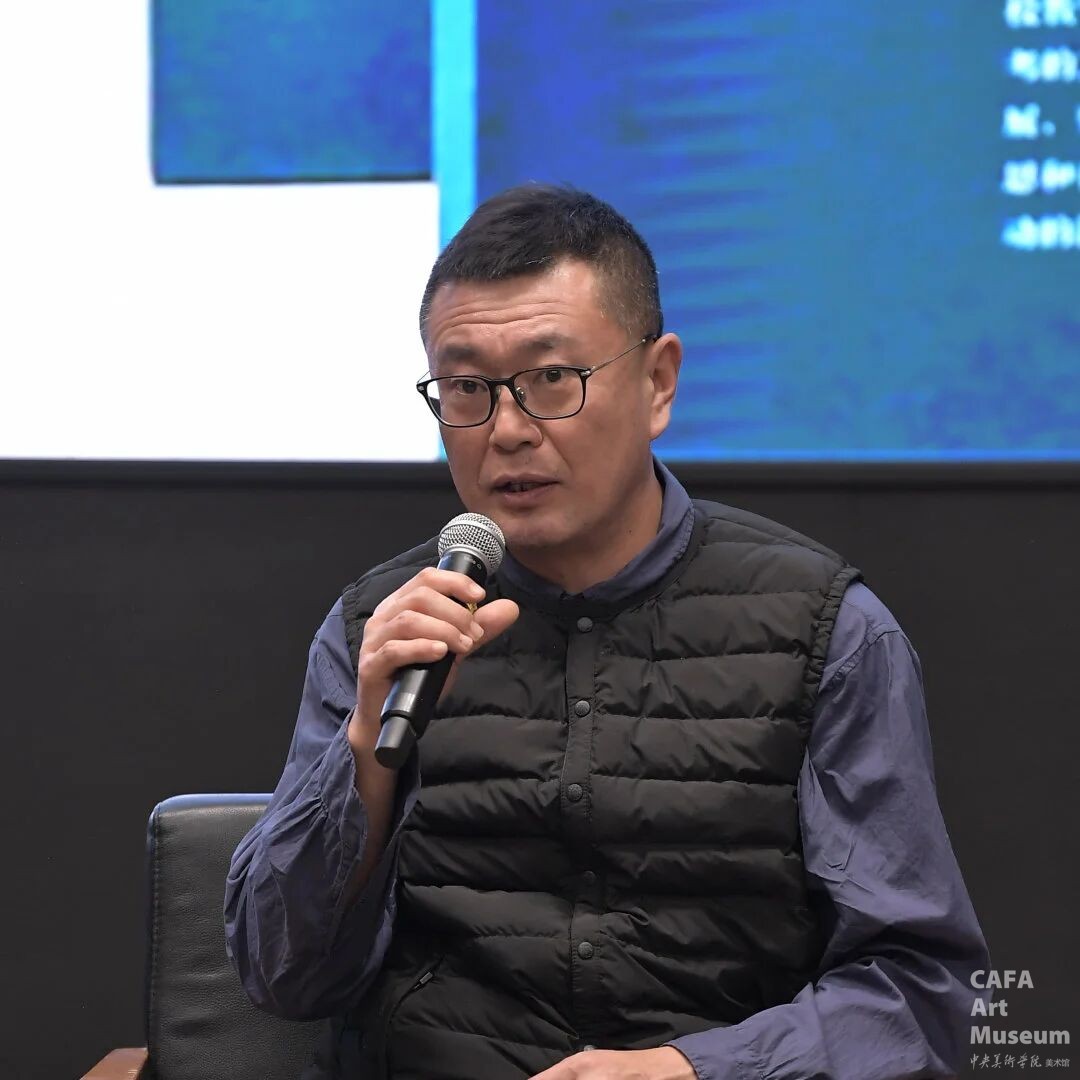
Liu Xiaohui

Artist, Professor at the Central Academy of Fine Arts, Deputy Director of the Mural Department


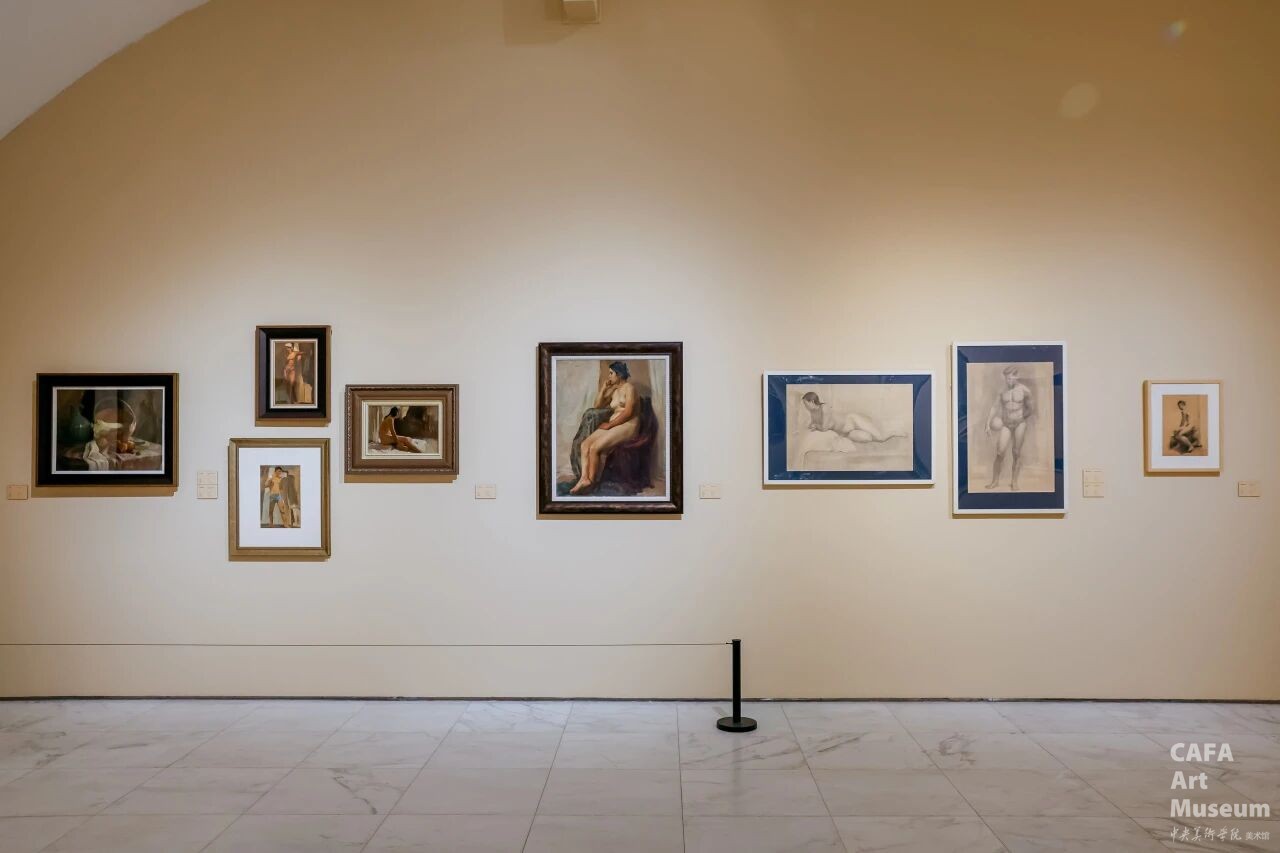
Teacher Liu Xiaohui introduced the important guiding role of Soviet-style oil painting in his early learning and creative practice. He believes that the holistic color system of Soviet-style oil painting integrates the scattered and random form and color languages in modern Chinese oil painting creation. With the progress of history, even from a contemporary perspective, there is still huge room for continuous deepening of the understanding of Soviet-style oil painting creation, which can lead to new understandings in the process of creation and teaching.

1766980821130003.jpg

Exhibition site


1766980846338236.jpg

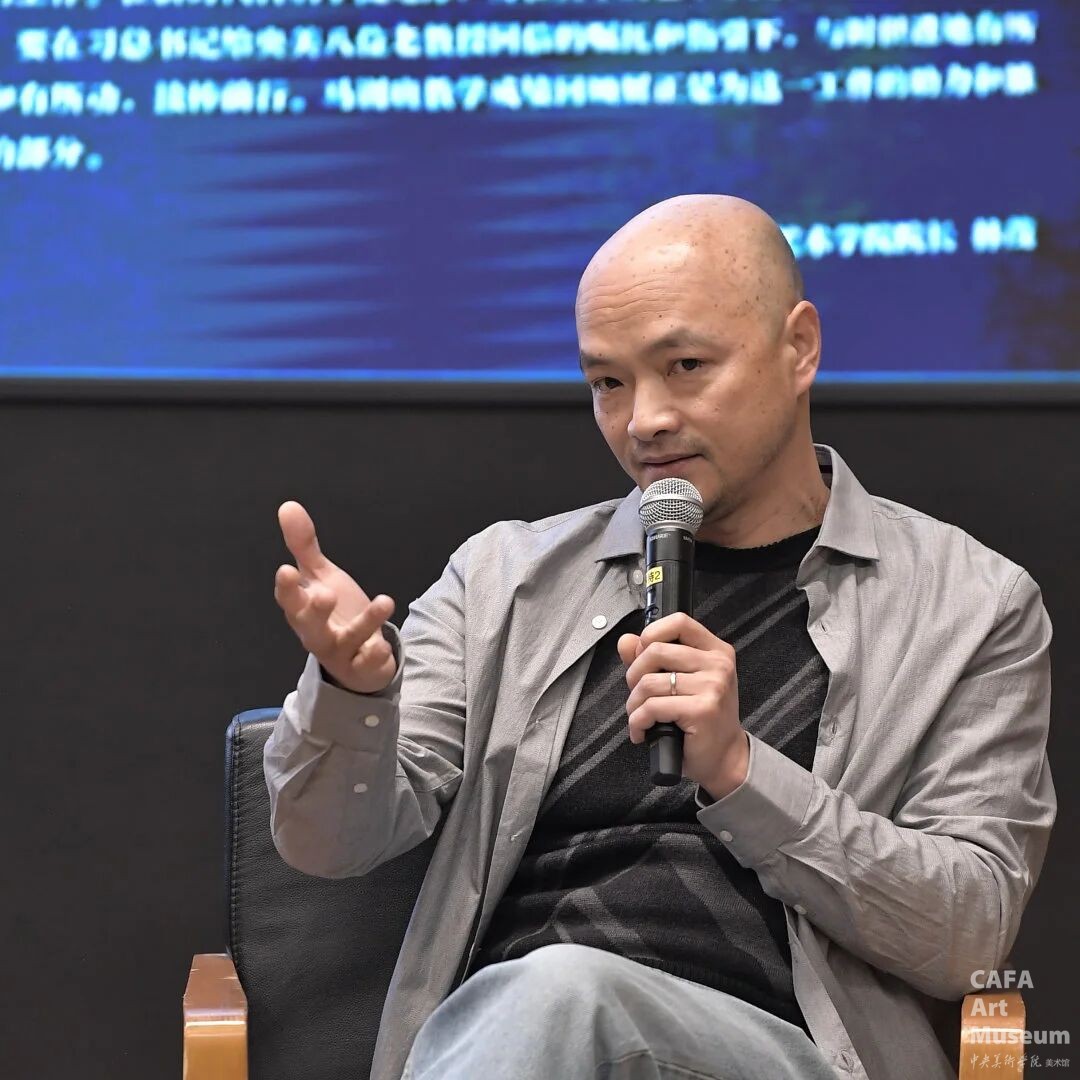
Wang Guangle

Artist, Graduated from the First Studio, Department of Oil Painting, Central Academy of Fine Arts


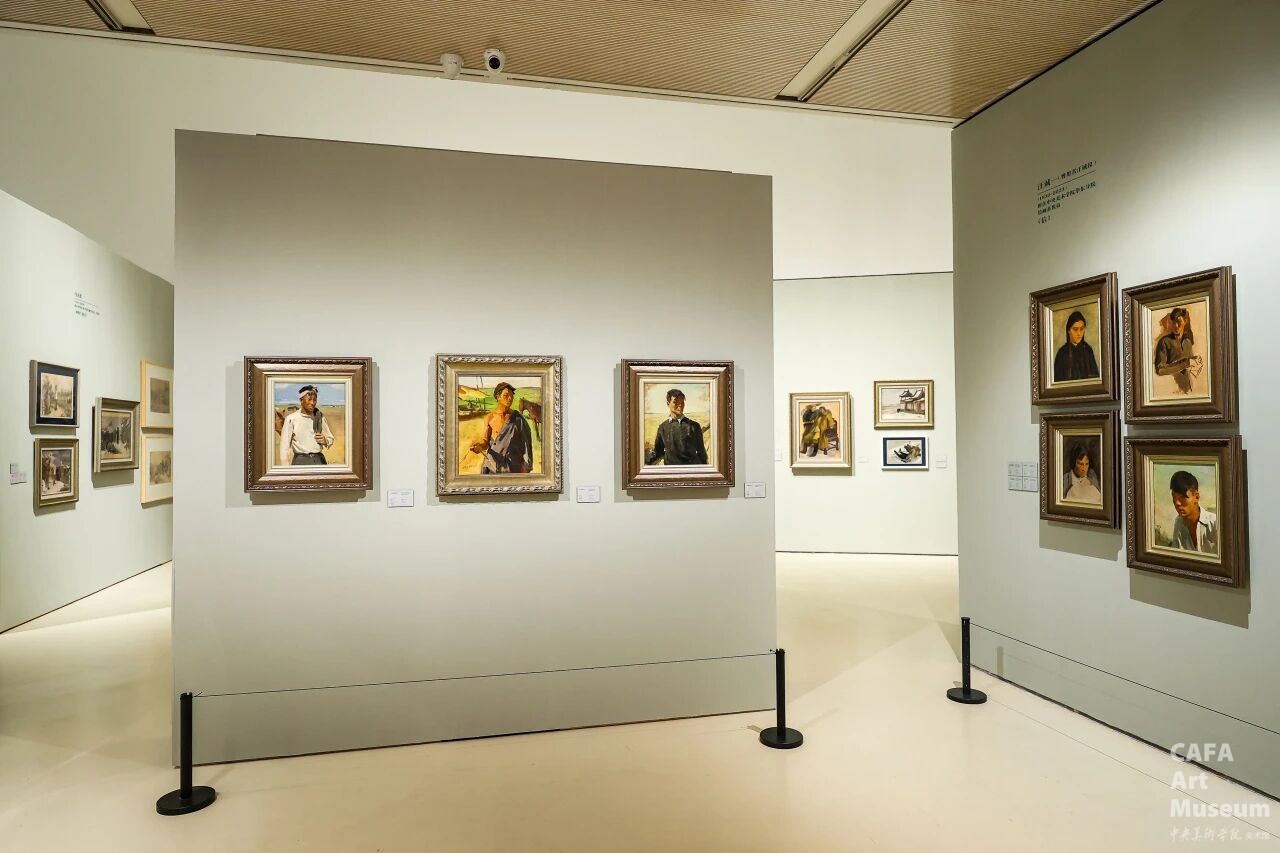
Teacher Wang Guangle also shared the inseparable connection between his personal creative history and Soviet-style oil painting, and his experience is highly representative. Soviet-style oil painting was crucial for breaking the tradition of "local oil painting" and initiating a modern understanding of oil painting creation, helping China's early realistic oil painting creation reach a new level. In Wang Guangle's current creative practice focusing on contemporary and abstract art, the traditional plastic stance represented by Maximov still provides ideological and conceptual guidance for painting expression in the new historical period. As the "origin" of contemporary painting, it will not only not become outdated but also accompany the new generation of young artists to go further.

1766980877866539.jpg

Exhibition site


1766980903810341.jpg

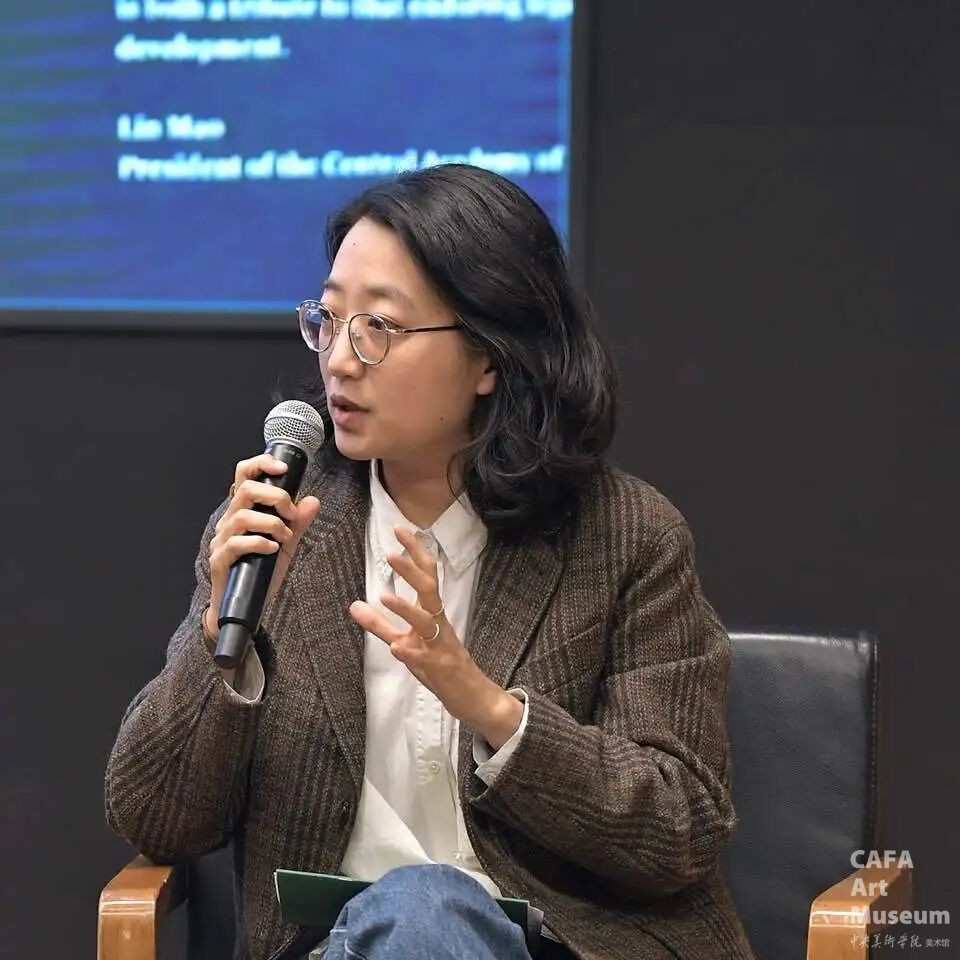
He Jing

Art critic, curator, Assistant Professor at the Academy of Arts & Design, Tsinghua University


Professor He Jing elaborated on her understanding of Maximov and Soviet-style oil painting from the perspectives of a theoretical researcher and critic. Soviet-style oil painting represents not only a specific creative school but also a kind of creative thinking and method. It decomposes the learning, training, and creation of oil painting into stages and procedures that are easy to understand and master in a scientific and rational manner. This set of procedures has profoundly influenced Chinese oil painting creation both at that time and later. Behind this highly scientific teaching and creation method, it also reflects the major historical background and demands of Soviet-style painting adapting to the industrialization and modernization of the Soviet Union. Therefore, from this perspective, it was also highly in line with China's practical needs and the historical context of that era. In addition, Soviet-style oil painting introduced the consciousness of "collectivity" into China's oil painting creation—whether it is collective creation or the expression of creative content related to specific classes or groups. From this perspective, we can understand why Chinese contemporary oil painting after the 1980s saw a pivotal shift towards a focused attention on "individual" consciousness and individual care. Therefore, we should examine the Soviet-style oil painting system and its historical significance with a dialectical and historical attitude.

1766980956468838.jpg

Exhibition site


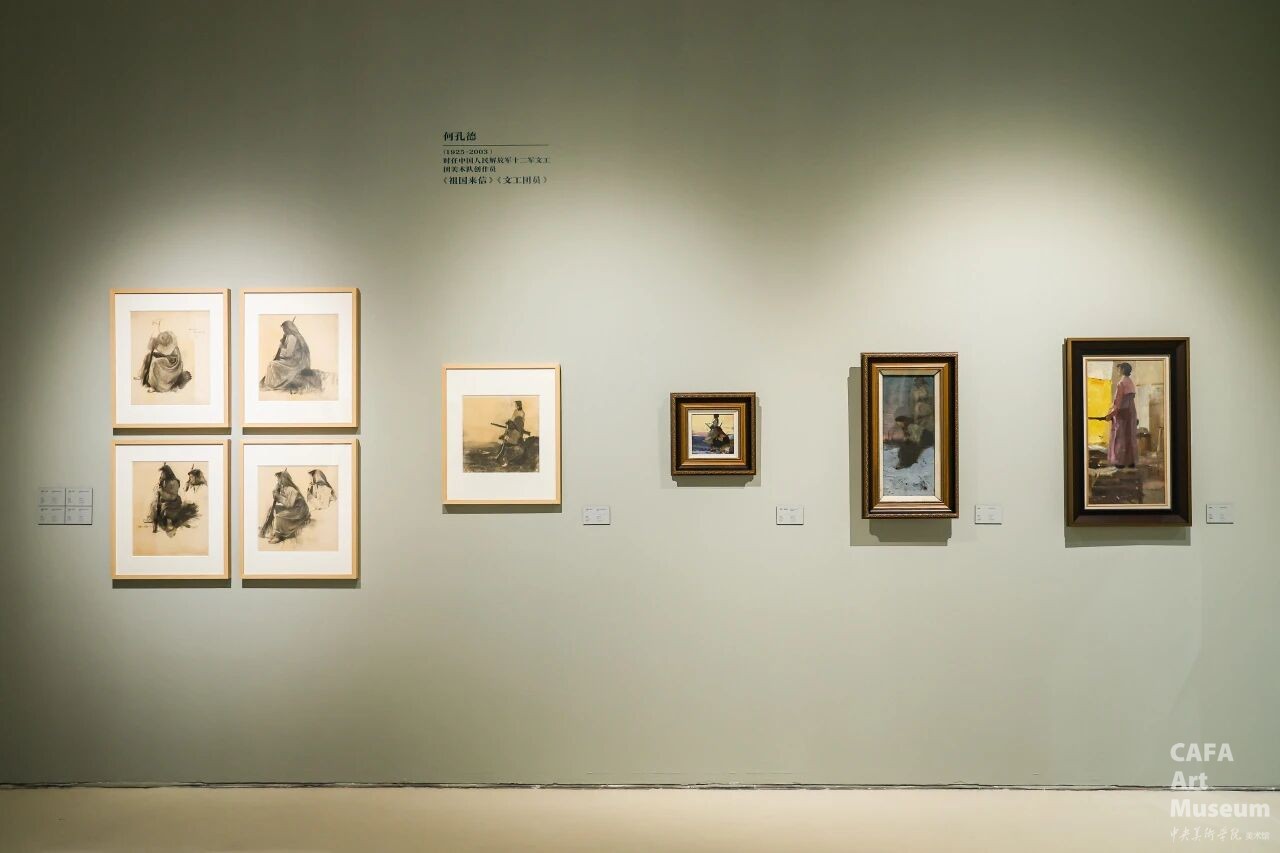
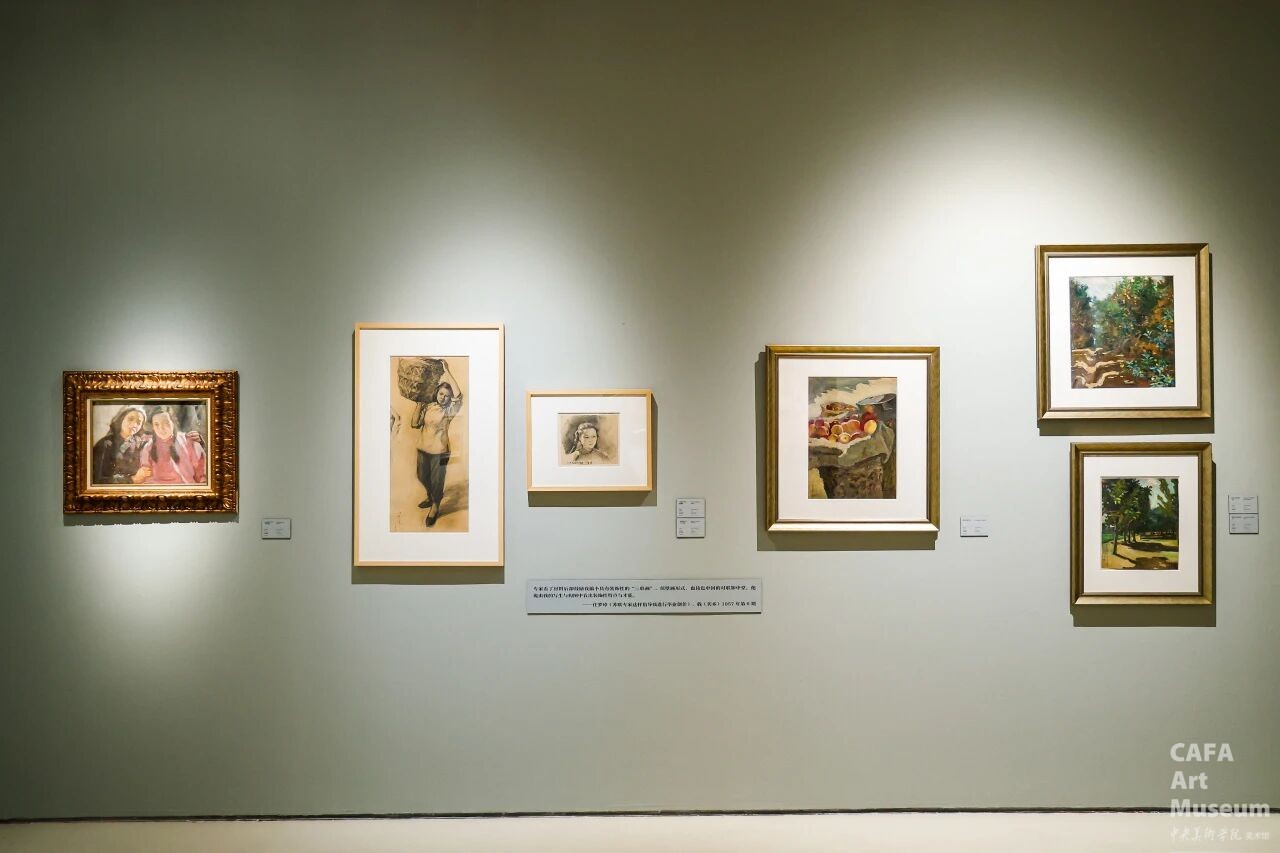
Wang Jing summarized Maximov's system and methods as a "toolbox" for oil painting creation. In the process from tradition to the contemporary era, and from the collective to the individual, artists have drawn on the strengths of various sources in their practice. They have combined their respective life experiences and subjective understandings, and utilized the valuable thinking methods and paths provided by this toolbox to address different artistic issues and express different spiritual pursuits. The "Maximov Training Class" is not merely a history of higher art education for the exploration of the modernity of Chinese oil painting, but also the starting point of a set of realist aesthetic methodologies concerning "how to see," "how to construct," and "how to narrate." In the subsequent exploration of diverse and specific painting formal languages, some artists have explored modernism, pursuing connections between psychology, abstraction, and structure; others have continued the realist tradition, depicting new themes and opening up new painting dimensions belonging to the contemporary era. All these are individual expressions unfolded in China's own context starting from this "origin," reflecting a rich and varied range of artistic colors.

1766980971524481.jpg


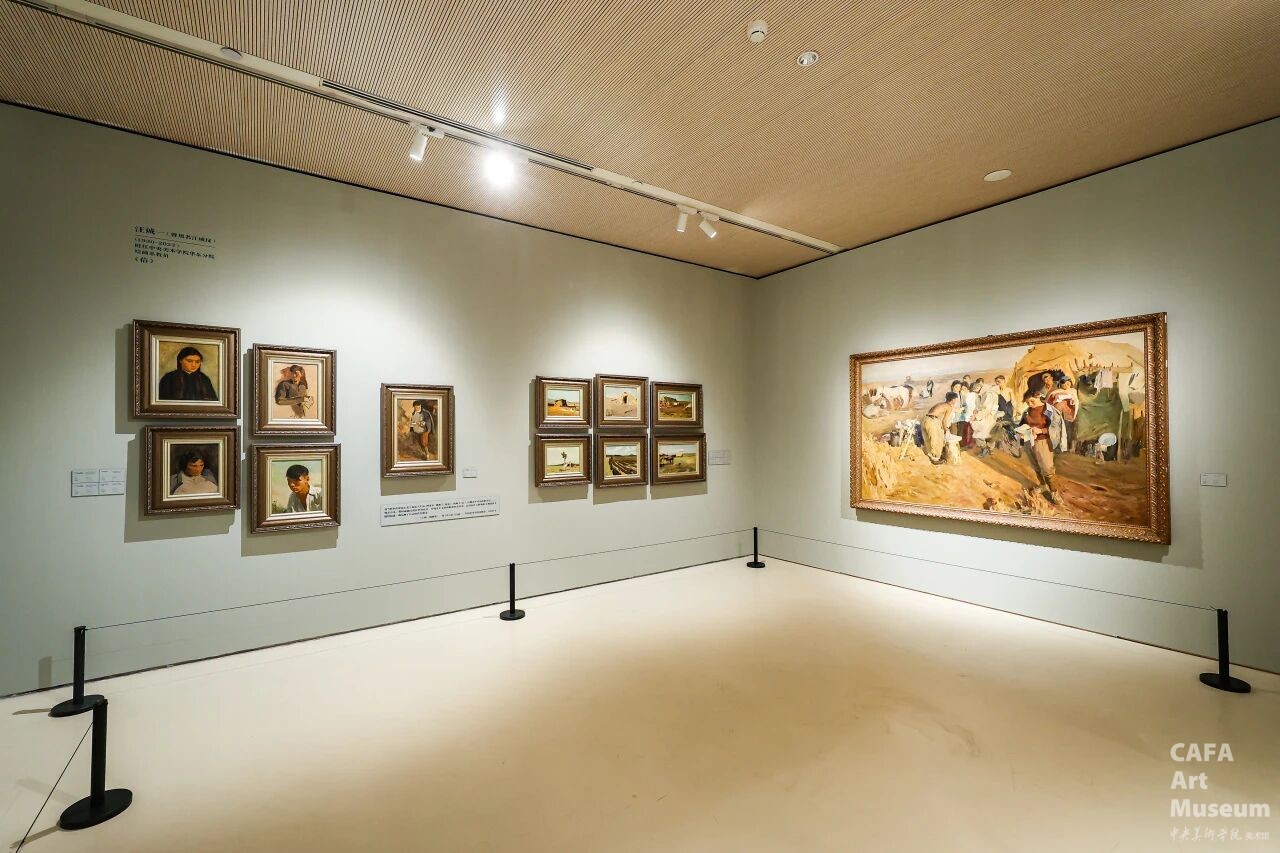
Looking back from the present, in an art environment that has undergone drastic changes and become increasingly complex along with the real world, the realities of globalization, visualization, and medialization present challenges where multiple contexts intertwine and value systems are fluid. How to address and express these complex modern situations, and achieve creative transformation and expression by integrating the characteristics of the times and contemporary values, is a crucial question facing contemporary artists. At this level, the systematic methodology emphasized by the "Maximov Workshop" – which prioritizes reality, observation, and personal experience – along with its inherent materialist and empirical rational perspective, provides an important ideological tool for navigating the fragmentation and chaos of contemporary visual culture. It teaches artists how to establish order amidst chaos, extract structure from phenomena; express contemporary situations and embody the spirit of the times.

1766981027620365.jpg

1766981048125089.jpg

Exhibition site


Today, when we look back at the "origin," we are not seeking to replicate the historical style of Soviet-style oil painting, but rather to flexibly adapt the realistic ways of seeing and constructing it. This prism not only illuminates the path forward, but also refracts new directions toward the future. "Origin and Prism" signifies that history is not a closed legacy, but a resource that remains always open— in the modernist long march of Chinese oil painting itself, those fundamental questions of how to see, how to construct, and how to narrate still echo vividly at every moment.


This exhibition will continue to be on view until January 3, 2026, and welcomes visitors.

1766981083825788.jpg

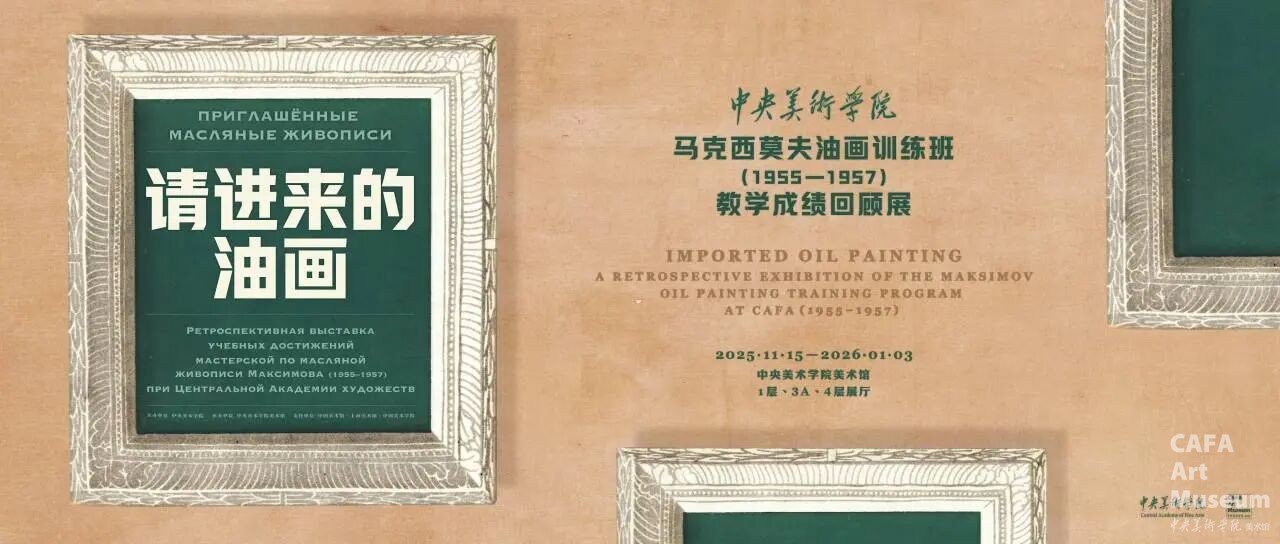
Imported Oil Paintings – A Retrospective Exhibition Of The Maximov Oil Painting Training Program At CAFA  (1955-1957)


Exhibition Dates: November 15, 2025 – January 3, 2026

Exhibition Venue: Exhibitions 1F/3A/4F, CAFA Art Museum


Editor-in-Chief / He Yisha

Responsible Editor / Du Yinzhu

Editor / Yan Yuxi


Child Public Education Reservation Form

I agree to the Group Visit Agreement and Statement Please agree to the Group Visit Agreement.
Submit

Adult Public Education Event Reservation Form

I agree to the Group Visit Agreement and Statement Please agree to the Group Visit Agreement.
Sumbit

Group Public Education Event Reservation Form

I agree to the Group Visit Agreement and Statement Please agree to the Group Visit Agreement.
Submit

Group Visit Agreement
and Statement

CAFA Art Museum Publication Authorization Agreement

I fully agree to CAFA Art Museum (CAFAM) submitting to CAFA for publication the images, pictures, texts, writings, and event products (such as works created during participation in workshops) related to me from my participation in public events (including museum member events) organized by the CAFA Art Museum Public Education Department. CAFA can publish these materials by electronic, web, or other digital means, and I hereby agree to be included in the China Knowledge Resource Bank, the CAFA Database, the CAFA Art Museum Database, and related data, documentation, and filing institutions and platforms. Regarding their use in CAFA and dissemination on the internet, I agree to make use of these rights according to the stated Rules.

CAFA Art Museum Event Safety Disclaimer

Article I

This event was organized on the principles of fairness, impartiality, and voluntary participation and withdrawal. Participants undertake all risk and liability for themselves. All events have risks, and participants must be aware of the risks related to their chosen event.

Article II

Event participants must abide by the laws and regulations of the People’s Republic of China, as well as moral and ethical norms. All participants must demonstrate good character, respect for others, friendship, and a willingness to help others.

Article III

Event participants should be adults (people 18 years or older with full civil legal capacity). Underage persons must be accompanied by an adult.

Article IV

Event participants undertake all liability for their personal safety during the event, and event participants are encouraged to purchase personal safety insurance. Should an accident occur during an event, persons not involved in the accident and the museum do not undertake any liability for the accident, but both have the obligation to provide assistance. Event participants should actively organize and implement rescue efforts, but do not undertake any legal or economic liability for the accident itself. The museum does not undertake civil or joint liability for the personal safety of event participants.

Article V

During the event, event participants should respect the order of the museum event and ensure the safety of the museum site, the artworks in displays, exhibitions, and collections, and the derived products. If an event causes any degree of loss or damage to the museum site, space, artworks, or derived products due to an individual, persons not involved in the accident and the museum do not undertake any liability for losses. The event participant must negotiate and provide compensation according to the relevant legal statutes and museum rules. The museum may sue for legal and financial liability.

Article VI

Event participants will participate in the event under the guidance of museum staff and event leaders or instructors and must correctly use the painting tools, materials, equipment, and/or facilities provided for the event. If a participant causes injury or harm to him/herself or others while using the painting tools, materials, equipment, and/or facilities, or causes the damage or destruction of the tools, materials, equipment, and/or facilities, the event participant must undertake all related liability and provide compensation for the financial losses. Persons not involved in the accident and the museum do not undertake any liability for personal accidents.

CAFA Art Museum Portraiture Rights Licensing Agreement

According to The Advertising Law of the People’s Republic of China, The General Principles of the Civil Law of the People’s Republic of China, and The Provisional Opinions of the Supreme People’s Court on Some Issues Related to the Full Implementation of the General Principles of the Civil Law of the People’s Republic of China, and upon friendly negotiation, Party A and Party B have arrived at the following agreement regarding the use of works bearing Party A’s image in order to clarify the rights and obligations of the portrait licenser (Party A) and the user (Party B):

I. General Provisions

(1) Party A is the portraiture rights holder in this agreement. Party A voluntarily licenses its portraiture rights to Party B for the purposes stipulated in this agreement and permitted by law.

(2) Party B (CAFA Art Museum) is a specialized, international modern art museum. CAFA Art Museum keeps pace with the times, and works to create an open, free, and academic space and atmosphere for positive interaction with groups, corporations, institutions, artists, and visitors. With CAFA’s academic research as a foundation, the museum plans multi-disciplinary exhibitions, conferences, and public education events with participants from around the world, providing a platform for exchange, learning, and exhibition for CAFA’s students and instructors, artists from around the world, and the general public. As a public institution, the primary purposes of CAFA Art Museum’s public education events are academic and beneficial to society.

(3) Party B will photograph all CAFA Public Education Department events for Party A.

II. Content, Forms of Use, and Geographical Scope of Use

(1) Content. The content of images taken by Party B bearing Party A’s likeness include: ① CAFA Art Museum ② CAFA campus ③ All events planned or executed by the CAFAM Public Education Department.

(2) Forms of Use. For use in CAFA’s publications, products with CDs, and promotional materials.

(3) Geographical Scope of Use

The applicable geographic scope is global.

The media in which the portraiture may be used encompasses any media that does not infringe upon Party A’s portraiture rights (e.g., magazines and the internet).

III. Term of Portraiture Rights Use

Use in perpetuity.

IV. Licensing Fees

The fees for images bearing Party A’s likeness will be undertaken by Party B.

After completion, Party B does not need to pay any fees to Party A for images bearing Party A’s likeness.

Additional Terms

(1) All matters not discussed in this agreement shall be resolved through friendly negotiation between both parties. Both parties may then sign a supplementary agreement, provided it does not violate any laws or regulations.

(2) This agreement comes into effect on the date that it is signed (sealed) and the relevant boxes are selected by Party A and Party B.

(3) This agreement exists in paper and electronic forms. The paper form is made in duplicate, with Party A and Party B each retaining one copy with the same legal efficacy.

Event participants implicitly accept and undertake all the obligations stated in this agreement. Those who do not consent will be seen as abandoning the right to participate in this event. Before participating in this event, please speak to your family members to obtain their consent and inform them of this disclaimer. After participants sign/check the required box, participants and their families will be seen as having read and agreed to these terms.

I have carefully read and agree to the above provisions.

Group Visit Agreement
and Statement

CAFA Art Museum Publication Authorization Agreement

I fully agree to CAFA Art Museum (CAFAM) submitting to CAFA for publication the images, pictures, texts, writings, and event products (such as works created during participation in workshops) related to me from my participation in public events (including museum member events) organized by the CAFA Art Museum Public Education Department. CAFA can publish these materials by electronic, web, or other digital means, and I hereby agree to be included in the China Knowledge Resource Bank, the CAFA Database, the CAFA Art Museum Database, and related data, documentation, and filing institutions and platforms. Regarding their use in CAFA and dissemination on the internet, I agree to make use of these rights according to the stated Rules.

CAFA Art Museum Event Safety Disclaimer

Article I

This event was organized on the principles of fairness, impartiality, and voluntary participation and withdrawal. Participants undertake all risk and liability for themselves. All events have risks, and participants must be aware of the risks related to their chosen event.

Article II

Event participants must abide by the laws and regulations of the People’s Republic of China, as well as moral and ethical norms. All participants must demonstrate good character, respect for others, friendship, and a willingness to help others.

Article III

Event participants should be adults (people 18 years or older with full civil legal capacity). Underage persons must be accompanied by an adult.

Article IV

Event participants undertake all liability for their personal safety during the event, and event participants are encouraged to purchase personal safety insurance. Should an accident occur during an event, persons not involved in the accident and the museum do not undertake any liability for the accident, but both have the obligation to provide assistance. Event participants should actively organize and implement rescue efforts, but do not undertake any legal or economic liability for the accident itself. The museum does not undertake civil or joint liability for the personal safety of event participants.

Article V

During the event, event participants should respect the order of the museum event and ensure the safety of the museum site, the artworks in displays, exhibitions, and collections, and the derived products. If an event causes any degree of loss or damage to the museum site, space, artworks, or derived products due to an individual, persons not involved in the accident and the museum do not undertake any liability for losses. The event participant must negotiate and provide compensation according to the relevant legal statutes and museum rules. The museum may sue for legal and financial liability.

Article VI

Event participants will participate in the event under the guidance of museum staff and event leaders or instructors and must correctly use the painting tools, materials, equipment, and/or facilities provided for the event. If a participant causes injury or harm to him/herself or others while using the painting tools, materials, equipment, and/or facilities, or causes the damage or destruction of the tools, materials, equipment, and/or facilities, the event participant must undertake all related liability and provide compensation for the financial losses. Persons not involved in the accident and the museum do not undertake any liability for personal accidents.

CAFA Art Museum Portraiture Rights Licensing Agreement

According to The Advertising Law of the People’s Republic of China, The General Principles of the Civil Law of the People’s Republic of China, and The Provisional Opinions of the Supreme People’s Court on Some Issues Related to the Full Implementation of the General Principles of the Civil Law of the People’s Republic of China, and upon friendly negotiation, Party A and Party B have arrived at the following agreement regarding the use of works bearing Party A’s image in order to clarify the rights and obligations of the portrait licenser (Party A) and the user (Party B):

I. General Provisions

(1) Party A is the portraiture rights holder in this agreement. Party A voluntarily licenses its portraiture rights to Party B for the purposes stipulated in this agreement and permitted by law.

(2) Party B (CAFA Art Museum) is a specialized, international modern art museum. CAFA Art Museum keeps pace with the times, and works to create an open, free, and academic space and atmosphere for positive interaction with groups, corporations, institutions, artists, and visitors. With CAFA’s academic research as a foundation, the museum plans multi-disciplinary exhibitions, conferences, and public education events with participants from around the world, providing a platform for exchange, learning, and exhibition for CAFA’s students and instructors, artists from around the world, and the general public. As a public institution, the primary purposes of CAFA Art Museum’s public education events are academic and beneficial to society.

(3) Party B will photograph all CAFA Public Education Department events for Party A.

II. Content, Forms of Use, and Geographical Scope of Use

(1) Content. The content of images taken by Party B bearing Party A’s likeness include: ① CAFA Art Museum ② CAFA campus ③ All events planned or executed by the CAFAM Public Education Department.

(2) Forms of Use. For use in CAFA’s publications, products with CDs, and promotional materials.

(3) Geographical Scope of Use

The applicable geographic scope is global.

The media in which the portraiture may be used encompasses any media that does not infringe upon Party A’s portraiture rights (e.g., magazines and the internet).

III. Term of Portraiture Rights Use

Use in perpetuity.

IV. Licensing Fees

The fees for images bearing Party A’s likeness will be undertaken by Party B.

After completion, Party B does not need to pay any fees to Party A for images bearing Party A’s likeness.

Additional Terms

(1) All matters not discussed in this agreement shall be resolved through friendly negotiation between both parties. Both parties may then sign a supplementary agreement, provided it does not violate any laws or regulations.

(2) This agreement comes into effect on the date that it is signed (sealed) and the relevant boxes are selected by Party A and Party B.

(3) This agreement exists in paper and electronic forms. The paper form is made in duplicate, with Party A and Party B each retaining one copy with the same legal efficacy.

Event participants implicitly accept and undertake all the obligations stated in this agreement. Those who do not consent will be seen as abandoning the right to participate in this event. Before participating in this event, please speak to your family members to obtain their consent and inform them of this disclaimer. After participants sign/check the required box, participants and their families will be seen as having read and agreed to these terms.

I have carefully read and agree to the above provisions.

Group Visit Agreement
and Statement

CAFA Art Museum Publication Authorization Agreement

I fully agree to CAFA Art Museum (CAFAM) submitting to CAFA for publication the images, pictures, texts, writings, and event products (such as works created during participation in workshops) related to me from my participation in public events (including museum member events) organized by the CAFA Art Museum Public Education Department. CAFA can publish these materials by electronic, web, or other digital means, and I hereby agree to be included in the China Knowledge Resource Bank, the CAFA Database, the CAFA Art Museum Database, and related data, documentation, and filing institutions and platforms. Regarding their use in CAFA and dissemination on the internet, I agree to make use of these rights according to the stated Rules.

CAFA Art Museum Event Safety Disclaimer

Article I

This event was organized on the principles of fairness, impartiality, and voluntary participation and withdrawal. Participants undertake all risk and liability for themselves. All events have risks, and participants must be aware of the risks related to their chosen event.

Article II

Event participants must abide by the laws and regulations of the People’s Republic of China, as well as moral and ethical norms. All participants must demonstrate good character, respect for others, friendship, and a willingness to help others.

Article III

Event participants should be adults (people 18 years or older with full civil legal capacity). Underage persons must be accompanied by an adult.

Article IV

Event participants undertake all liability for their personal safety during the event, and event participants are encouraged to purchase personal safety insurance. Should an accident occur during an event, persons not involved in the accident and the museum do not undertake any liability for the accident, but both have the obligation to provide assistance. Event participants should actively organize and implement rescue efforts, but do not undertake any legal or economic liability for the accident itself. The museum does not undertake civil or joint liability for the personal safety of event participants.

Article V

During the event, event participants should respect the order of the museum event and ensure the safety of the museum site, the artworks in displays, exhibitions, and collections, and the derived products. If an event causes any degree of loss or damage to the museum site, space, artworks, or derived products due to an individual, persons not involved in the accident and the museum do not undertake any liability for losses. The event participant must negotiate and provide compensation according to the relevant legal statutes and museum rules. The museum may sue for legal and financial liability.

Article VI

Event participants will participate in the event under the guidance of museum staff and event leaders or instructors and must correctly use the painting tools, materials, equipment, and/or facilities provided for the event. If a participant causes injury or harm to him/herself or others while using the painting tools, materials, equipment, and/or facilities, or causes the damage or destruction of the tools, materials, equipment, and/or facilities, the event participant must undertake all related liability and provide compensation for the financial losses. Persons not involved in the accident and the museum do not undertake any liability for personal accidents.

CAFA Art Museum Portraiture Rights Licensing Agreement

According to The Advertising Law of the People’s Republic of China, The General Principles of the Civil Law of the People’s Republic of China, and The Provisional Opinions of the Supreme People’s Court on Some Issues Related to the Full Implementation of the General Principles of the Civil Law of the People’s Republic of China, and upon friendly negotiation, Party A and Party B have arrived at the following agreement regarding the use of works bearing Party A’s image in order to clarify the rights and obligations of the portrait licenser (Party A) and the user (Party B):

I. General Provisions

(1) Party A is the portraiture rights holder in this agreement. Party A voluntarily licenses its portraiture rights to Party B for the purposes stipulated in this agreement and permitted by law.

(2) Party B (CAFA Art Museum) is a specialized, international modern art museum. CAFA Art Museum keeps pace with the times, and works to create an open, free, and academic space and atmosphere for positive interaction with groups, corporations, institutions, artists, and visitors. With CAFA’s academic research as a foundation, the museum plans multi-disciplinary exhibitions, conferences, and public education events with participants from around the world, providing a platform for exchange, learning, and exhibition for CAFA’s students and instructors, artists from around the world, and the general public. As a public institution, the primary purposes of CAFA Art Museum’s public education events are academic and beneficial to society.

(3) Party B will photograph all CAFA Public Education Department events for Party A.

II. Content, Forms of Use, and Geographical Scope of Use

(1) Content. The content of images taken by Party B bearing Party A’s likeness include: ① CAFA Art Museum ② CAFA campus ③ All events planned or executed by the CAFAM Public Education Department.

(2) Forms of Use. For use in CAFA’s publications, products with CDs, and promotional materials.

(3) Geographical Scope of Use

The applicable geographic scope is global.

The media in which the portraiture may be used encompasses any media that does not infringe upon Party A’s portraiture rights (e.g., magazines and the internet).

III. Term of Portraiture Rights Use

Use in perpetuity.

IV. Licensing Fees

The fees for images bearing Party A’s likeness will be undertaken by Party B.

After completion, Party B does not need to pay any fees to Party A for images bearing Party A’s likeness.

Additional Terms

(1) All matters not discussed in this agreement shall be resolved through friendly negotiation between both parties. Both parties may then sign a supplementary agreement, provided it does not violate any laws or regulations.

(2) This agreement comes into effect on the date that it is signed (sealed) and the relevant boxes are selected by Party A and Party B.

(3) This agreement exists in paper and electronic forms. The paper form is made in duplicate, with Party A and Party B each retaining one copy with the same legal efficacy.

Event participants implicitly accept and undertake all the obligations stated in this agreement. Those who do not consent will be seen as abandoning the right to participate in this event. Before participating in this event, please speak to your family members to obtain their consent and inform them of this disclaimer. After participants sign/check the required box, participants and their families will be seen as having read and agreed to these terms.

I have carefully read and agree to the above provisions.

Event Booking Form

Name:
Gender
Phone:
Valid Certificate: Identity Card
ID Number:
Email:

Reminder:

Hello! Thank you for participating in our public education event and we are looking forward to seeing you! If you cannot attend the event on time, please send a text message to 13261936837 (Liang) to cancel the booking. Please be aware that your eligibility for using the quick booking may be affected If you cancel the booking more than three times. Thank you for your understanding!
Quick loginAccount login
  • Mobile phone number will be your login ID
  •  
Use Artron membership to login